
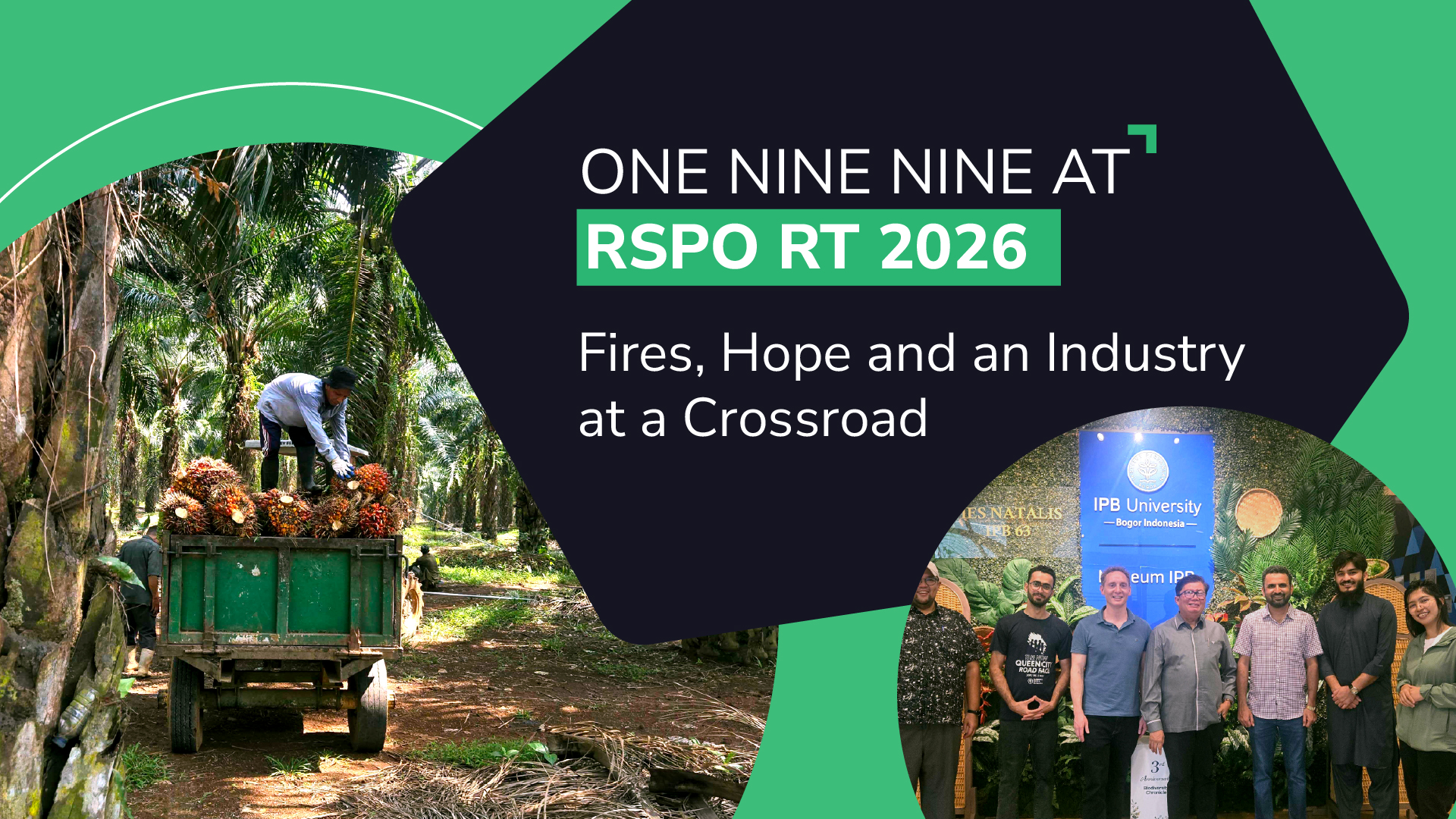
One Nine Nine at RSPO RT 2026 – Fires, Hope and an Industry at a Crossroads
There’s no doubt the palm oil industry is facing serious challenges from multiple quarters right now.
With the ongoing fires casting their haze over both the region and the conference, civil society voicing frustration and regulatory shifts like EUDR and Indonesia’s Single Export Gateway looming, the mood was undeniably more subdued than at previous events.
But beyond the usual corporate defensiveness, the annual RSPO RT event offered a huge amount of value. My key takeaways included an uncomfortable honesty about where sustainable palm stands, what needs to change in terms of approach and communication and what it will take for progressive producers and smallholders to be heard. And real opportunities amongst the risk.
The Conference
The conference kicked off with a keynote from RSPO CEO Joseph D’Cruz, who immediately tackled the elephant in the room: the fires. It was a strong start – easily the boldest I’ve seen the RSPO in rebuking members for staying too quiet during the recent crisis (more on this later).
The sessions that followed covered the usual mix of enduring headaches and emerging challenges. Discussions ranged from regulatory and policy headwinds (EUDR compliance and Indonesia’s new Single Export Gate) to the realities of smallholder inclusion, climate adaptation and the impact of AI and traceability tech.
There was also a welcome focus on generational succession and inclusion. While the programme didn’t break much new ground, the panels I attended were engaging. The lightning talks were a good addition too, though they would have benefited from a dedicated space to encourage better interaction.
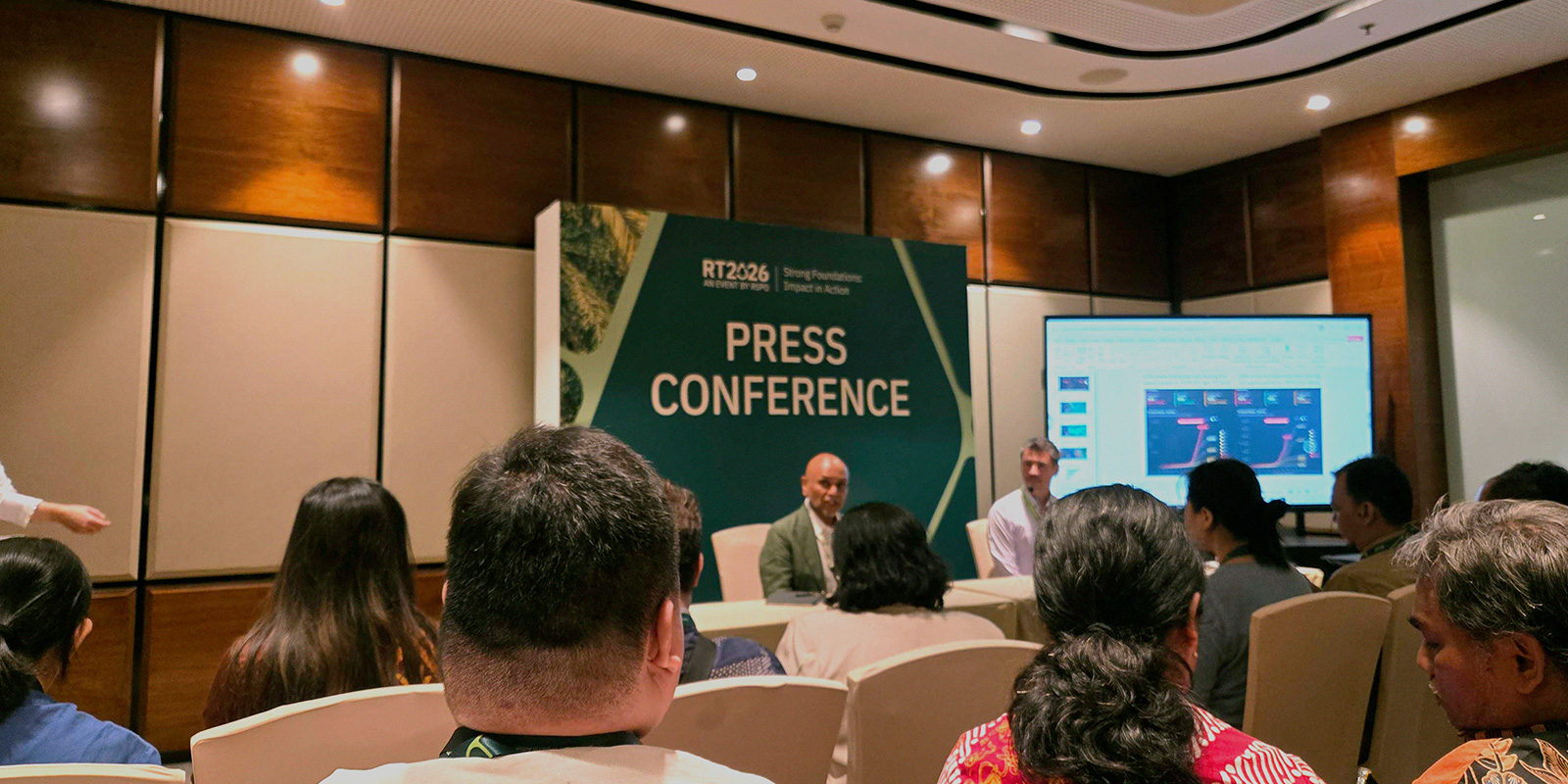
Around The Conference – Side Events and Conversations
Talking with some smallholders
If you want to know more about the realities of sustainable palm oil from a range of different perspectives – there is no better place to be than the RT conference!
Much of the real value of the event is in the conversations and side events that surround the main conference. For someone based in Europe, this is the best opportunity to speak to and learn from the industry – and I took full advantage before, during and after!
Catching up with clients I only ever see on screens, meeting journalists I’ve only ever emailed, and speaking directly with the RSPO, NGOs, producers and industry players from across the supply chain.
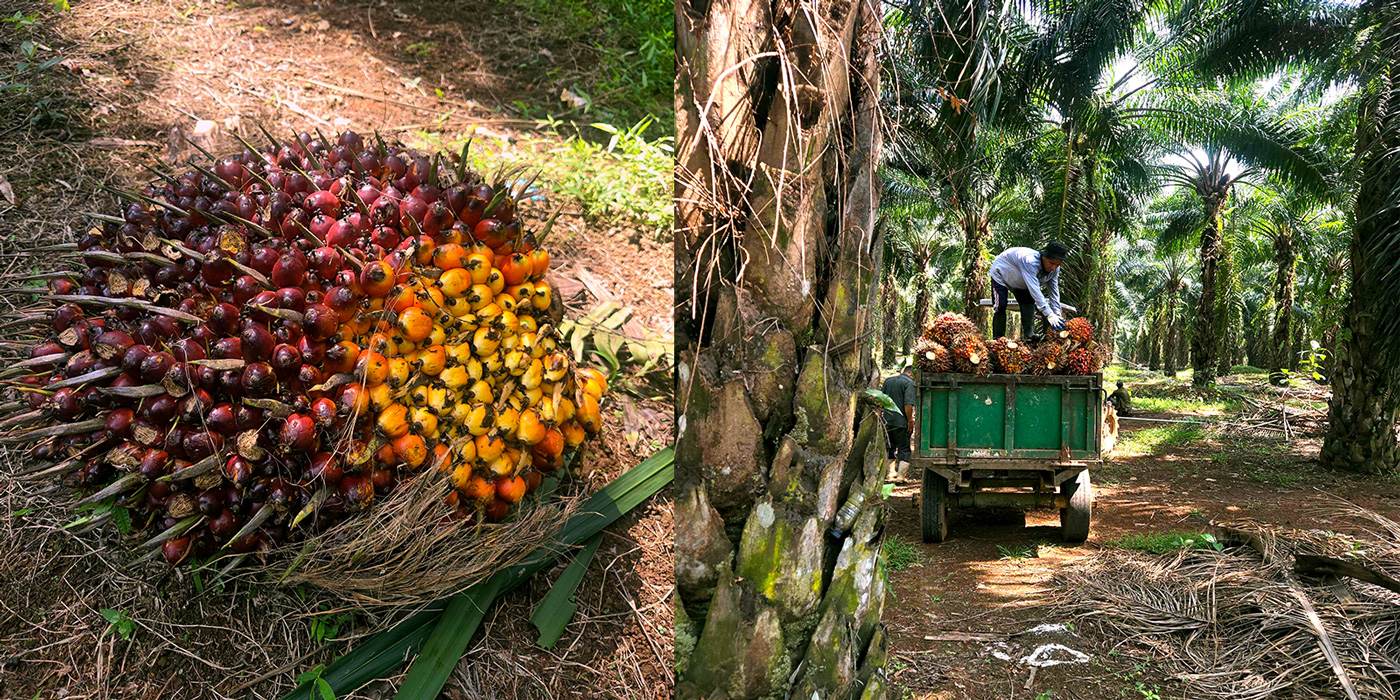
I also had the chance to speak directly with some of the smallholders (thank you Google Translate). They want to be paid more. They need more support for replanting and better market access. They deserve to have their voices heard. They were angry at the government and the industry over the fires.
But despite the enduring challenges facing these small farmers, those I spoke to were still positive about their future in sustainable palm.
One group, representing nearly 1,500 smallholders had nothing but good things to say about supplying Nestlé – and how the organisation treated (and paid) them!
That was surprising to me, but encouraging and refreshing to hear too. I left the conference with many of my opinions and perceptions challenged and changed. The range of voices and the openness to discuss and disagree are a huge strength of the event. This is what drives change.
The Fires – Critics and Challenges
I really enjoyed the conference, but there was a fair amount of criticism aimed at the industry, the RSPO and the event from the media, NGOs and the Indonesian public.
Mighty Earth were vocal in their criticism about the lack of a dedicated session on the fires, and called on the Board of Governors to demand concrete action from grower members to address the fires and prevent them in the future.
Smallholders and NGOs in attendance clearly shared Mighty Earth’s concerns. Orangutan Land Trust, Sumatran Orangutan Society, Borneo Orangutan Society, HUTAN, Solidaridad, WWF, Forest People’s Programme, BC Initiative, Pemangkin research, Manka and Fauna Flora International put their name to a letter to the board calling for more to be done.
This included the creation of a No Fire Taskforce, transparent reporting of investigations and verification, a peatland rewetting fund, the retirement of plantations on burned peatland, and peat restoration works.
The scale of the issue was laid bare by environmental scientist David Gaveau, whose findings showed that 14,500 hectares of land – including 2,500 hectares of natural forest – burnt within RSPO-certified concessions between January and September 2026.
While this represents just 0.8% of the 1.9 million hectares burnt across Indonesia over the same period (proving that significantly less burning occurs on certified versus non-certified land), the concentration of these fires is concerning. Over half of the RSPO-linked damage occurred in just three concessions.
Acknowledging that 14,500 hectares is still too much, RSPO CEO Joseph D’Cruz pledged to investigate concessions showing unusual activity, while reiterating a firm stance on accountability:
'Anybody who has any evidence of RSPO members deliberately lighting fires should come forward and lodge a complaint. We will investigate thoroughly and vigorously.'
Media reactions
The initial media reaction to the conference has been mixed. Edi Suhardi of The Jakarta Post was particularly damning in his assessment of the conference and the state of the RSPO, calling it The Twilight of the RSPO.
I think this is hyperbolic. The RSPO is undoubtedly facing big challenges, but facing and solving challenges is the entire story of the organisation!
This is not the first crisis it has faced. It’s not the first time it’s had to react and evolve in the face of criticism. It will not be the last. The RSPO has a lot of stakeholders to keep happy, and balancing that cannot be easy.
I believe it’s still a force for good and positive change.
The State of Palm Oil Comms
'When we stay silent, we let the worst actors define our industry.'
Joseph D’Cruz’s words in the opening keynote are more than a warning about the muted, defensive industry communications around the fires – they distil the entire history of sustainable palm oil comms into a single sentence.
Staying below the radar has been the industry’s default strategy for my entire time working in this sector. The great work that progressive actors have accomplished is often ignored or kept too quiet, while the majority of outreach is purely reactive – defensive statements put out only in times of crisis. Consequently, negative stories continue to dominate media coverage, and the reputation of even the best operators suffers directly from a reluctance to shout about their successes.
But there is real, measurable progress happening, and the data proves its impact. This reality simply won’t be recognised until the industry becomes more confident in communicating the good work it is doing.
Fortunately, we are seeing signs of change. More industry players are finally willing to tell their stories, spotting opportunities in communication where previously they only saw risk. We are reaching a critical realisation: the historic comms playbook has failed – and insanity is doing the same thing over and over again, expecting different results.
To break this cycle, the industry needs to shift from reactive defence to proactive, human-centric storytelling. Instead of waiting for a crisis to issue a corporate statement, start leading with data-backed narratives about the positive changes happening on the ground right now. At One Nine Nine, this is exactly what we help organisations to do – building the confidence to translate measurable progress into compelling campaigns that reclaim the narrative and ensure the best actors define the future of palm oil.
Get in Touch
To find out more about who we are and what we do, please get in touch with our team at 01138444111 or email us at contact@oneninenine.agency.


